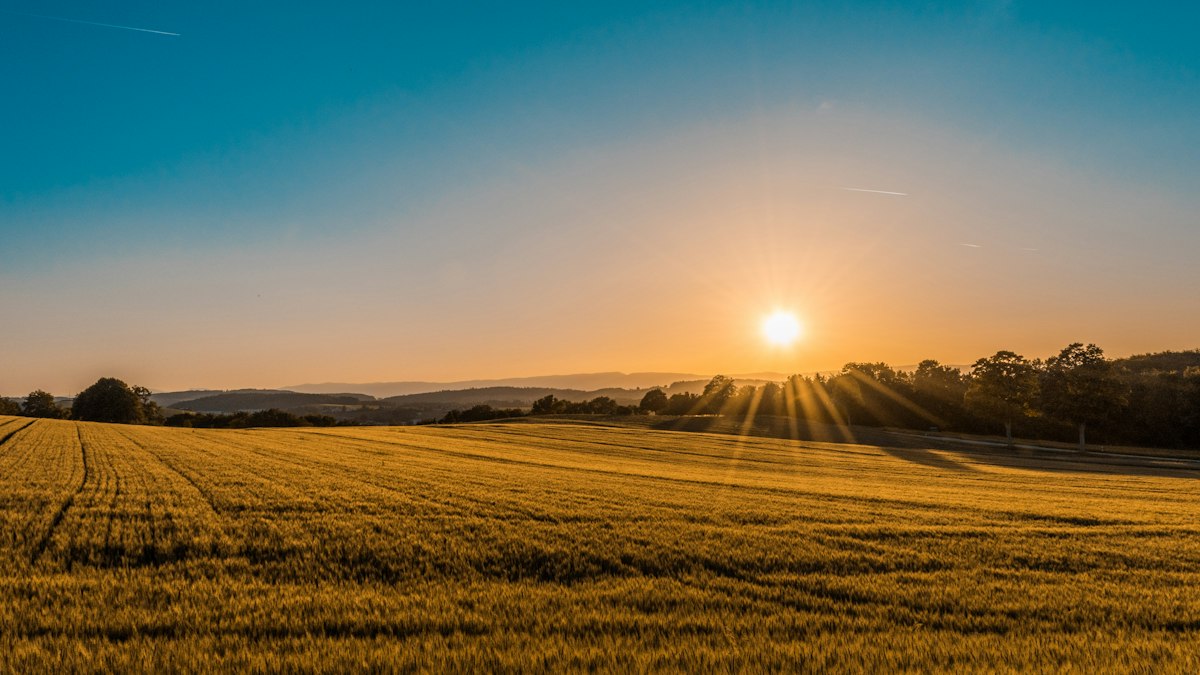

Not everyone moving to the Fulshear area wants a home in a master-planned community. A growing number of buyers are looking for acreage—five, ten, even twenty or more acres—where they can build a custom home, keep horses, run a small agricultural operation, or simply enjoy the kind of space that is increasingly rare this close to Houston. The area around Fulshear and neighboring Simonton still offers these opportunities, but buying land is fundamentally different from buying a home in a subdivision.
Where to Look
The best acreage opportunities are concentrated along FM 1093 west of Fulshear, FM 359 between Fulshear and Brookshire, and the Simonton corridor south along the Brazos River. These areas remain relatively rural, with a mix of active ranch land, former agricultural parcels, and wooded tracts. Some parcels are part of planned residential developments with minimum lot sizes of two to five acres; others are unrestricted land that can be used for almost any purpose.
Pricing varies significantly based on location, road frontage, topography, and available utilities. In 2026, raw acreage in the Fulshear-Simonton area generally trades between $25,000 and $60,000 per acre, with premium parcels near FM 1093 or with Brazos River frontage commanding higher prices. Tracts with existing improvements—fencing, barns, wells, septic systems—carry additional value.
Agricultural Exemptions
One of the most important financial considerations when buying acreage in Texas is the agricultural exemption, technically known as an agricultural-use valuation or “ag exemption.” This is not a true exemption from property taxes; rather, it allows qualifying land to be appraised at its agricultural-use value rather than its market value, which can reduce your property tax bill by 80 to 95 percent.
To qualify, the land must be actively used for agriculture—cattle grazing, hay production, beekeeping, or other qualifying activities. The specific requirements are set by the Fort Bend County Appraisal District (or Waller County, depending on location). If the land currently has an ag exemption and you intend to maintain it, make sure you understand the rollback tax implications if the exemption is ever removed. Rollback taxes cover the difference between the agricultural valuation and the market valuation for the previous five years, plus interest.
An agricultural exemption can save you thousands of dollars annually in property taxes—but losing it triggers rollback taxes that can be a significant financial surprise. Understand the rules before you close.
Water and Utilities
Unlike homes in master-planned communities that connect to municipal water and sewer, acreage properties in the Fulshear-Simonton area often rely on well water and septic systems. Before purchasing, you need to investigate water availability and quality. A well test will reveal water flow rate, depth, and mineral content. Some areas have excellent groundwater; others have water with high iron or sulfur content that requires treatment.
Septic systems are standard for rural properties and require adequate soil conditions for proper drainage. A soil test (percolation test) should be conducted before purchasing to confirm that the land can support a conventional septic system. Aerobic systems are an alternative for properties with less favorable soil conditions, but they are more expensive to install and maintain.
Electricity is generally available via extension from existing power lines, but the cost of running power to a remote building site can range from a few thousand dollars to $20,000 or more depending on distance. Verify utility access and estimated connection costs before making an offer.
Flood Zones and Drainage
Flooding is a legitimate concern in the greater Houston area, and acreage buyers must take it seriously. Review the FEMA flood maps for any parcel you are considering. Properties in the 100-year floodplain (Zone A or AE) will require flood insurance and may face building restrictions. Even properties outside the mapped floodplain can experience drainage issues during heavy rain events, particularly in low-lying areas near creeks and the Brazos River.
Walk the property after a rain event if possible. Look for standing water, erosion patterns, and the condition of any existing drainage infrastructure. A civil engineer or land planner can provide a more detailed assessment of drainage conditions and buildable areas within the tract.
Deed Restrictions and Zoning
Many acreage tracts in the Fulshear-Simonton area are unrestricted, meaning there are no HOA rules governing what you can build or how you use the property. This is a significant advantage for buyers who want flexibility. However, “unrestricted” also means your neighbor has the same freedom, which could include uses you might not want next door.
Some acreage developments do have deed restrictions that establish minimum home sizes, setback requirements, and limitations on commercial or agricultural activities. These restrictions protect property values but reduce flexibility. Understand the restrictions (or lack thereof) before you buy, and consider how they align with your intended use of the property.
Building on Acreage
If you plan to build a custom home on acreage, budget for site preparation costs that do not apply in a subdivision: land clearing, grading, driveway construction, utility connections, well drilling, septic installation, and fencing. These costs can easily add $50,000 to $150,000 or more to your total project cost, depending on the condition of the land and the scope of improvements.
Work with a builder who has experience with acreage construction. The logistics and permitting requirements differ from subdivision building, and an experienced builder will help you avoid costly mistakes.
Buying acreage is one of the most exciting real estate decisions you can make, and the Fulshear-Simonton area offers some of the best opportunities near Houston. If you are exploring land purchases, contact me for guidance on available parcels, pricing, and the due diligence steps that will protect your investment.